mhe train & test

Professional Materials Handling Equipment training — Yorkshire based, with AITT accredited instructors covering the entire UK. We bring training to your site.

Free — No Obligation
Get Your Training Quote
Takes 60 seconds · We reply same day
HSE L117 Nationwide 5★ Rated
1
2
3
What course do you need?
Novice Course
Experienced Operator
Conversion Course
Refresher Course
Truck type & delegates
Your contact details

Enquiry Sent!

Thank you! We'll get back to you
within a few hours with your quote.

5000+ Trained
4 Courses
UK Coverage
Same Day Response
0+ Operators Trained
4 Course Types
100% Accredited
UK Nationwide Cover
0+ Truck Types

What We Offer

Our Courses

Four course types — every level covered. All training complies with HSE L117 guidance.

01

Beginner

Novice Course

For operators with no previous forklift experience. Full theoretical and practical training from scratch to HSE L117 standard.

POA per delegate

02

Experienced

Experienced Operator

Already operating but no formal UK cert? Assesses and formalises existing skills — shorter than novice, same legal outcome.

POA per delegate

03

Conversion

Conversion Course

Certified on one truck type but need another? Transfer your skills to a new machine — efficient, focused, fully accredited.

POA per delegate

04

Refresher

Refresher Course

Maintain compliance. Recommended every 3–5 years per L117. Keeps operators legally compliant and workplaces safe.

POA per delegate

Equipment We Train On

Machinery We Cover

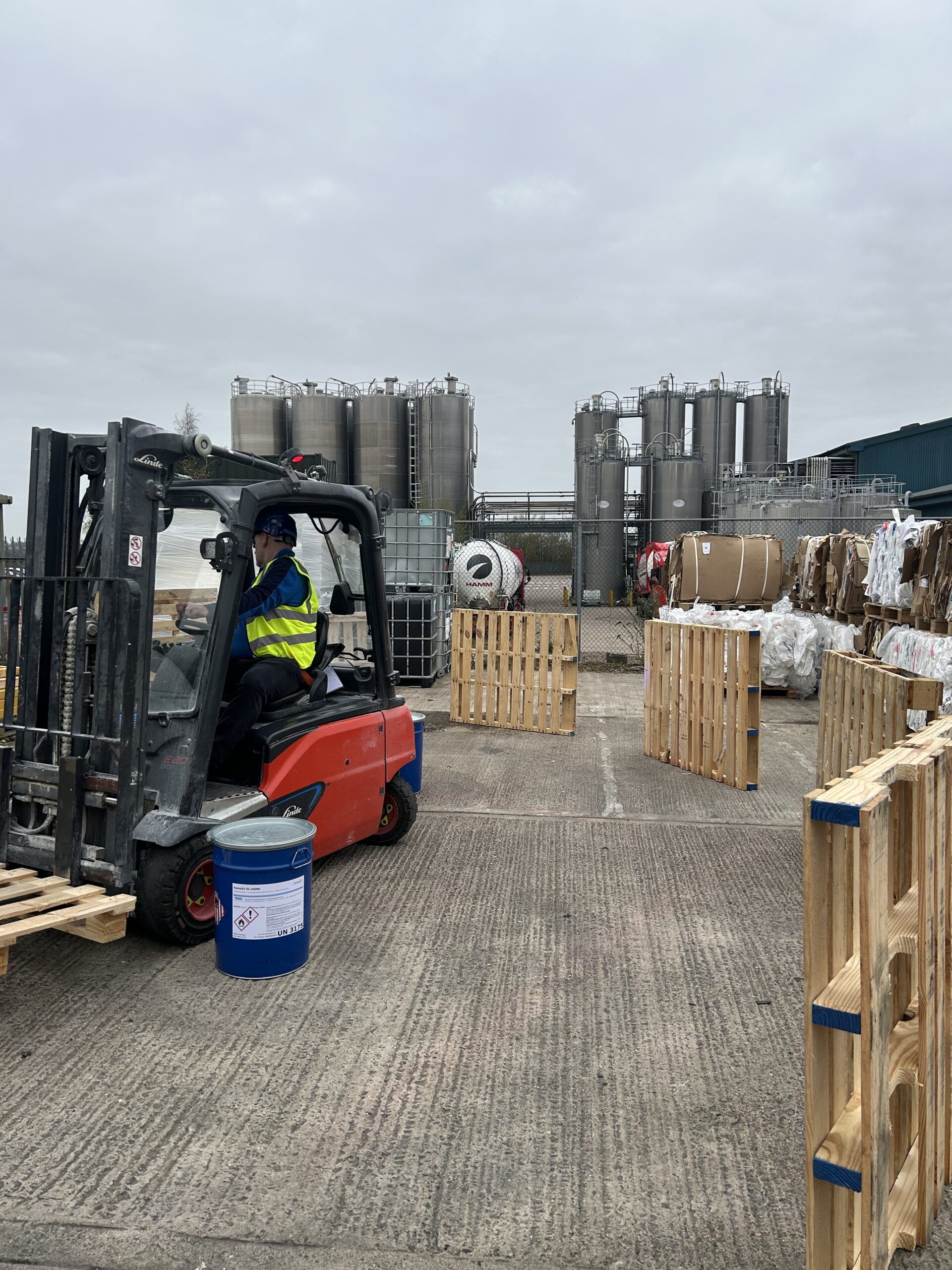
We train on a wide range of MHE. Don’t see your truck type? Get in touch — some of the machinery we cover.

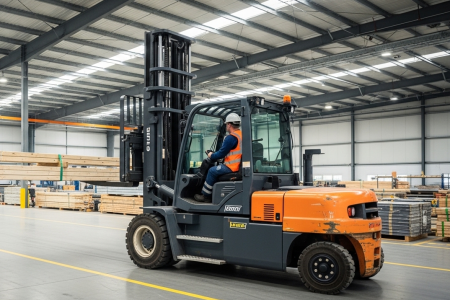
Image_fx (17)

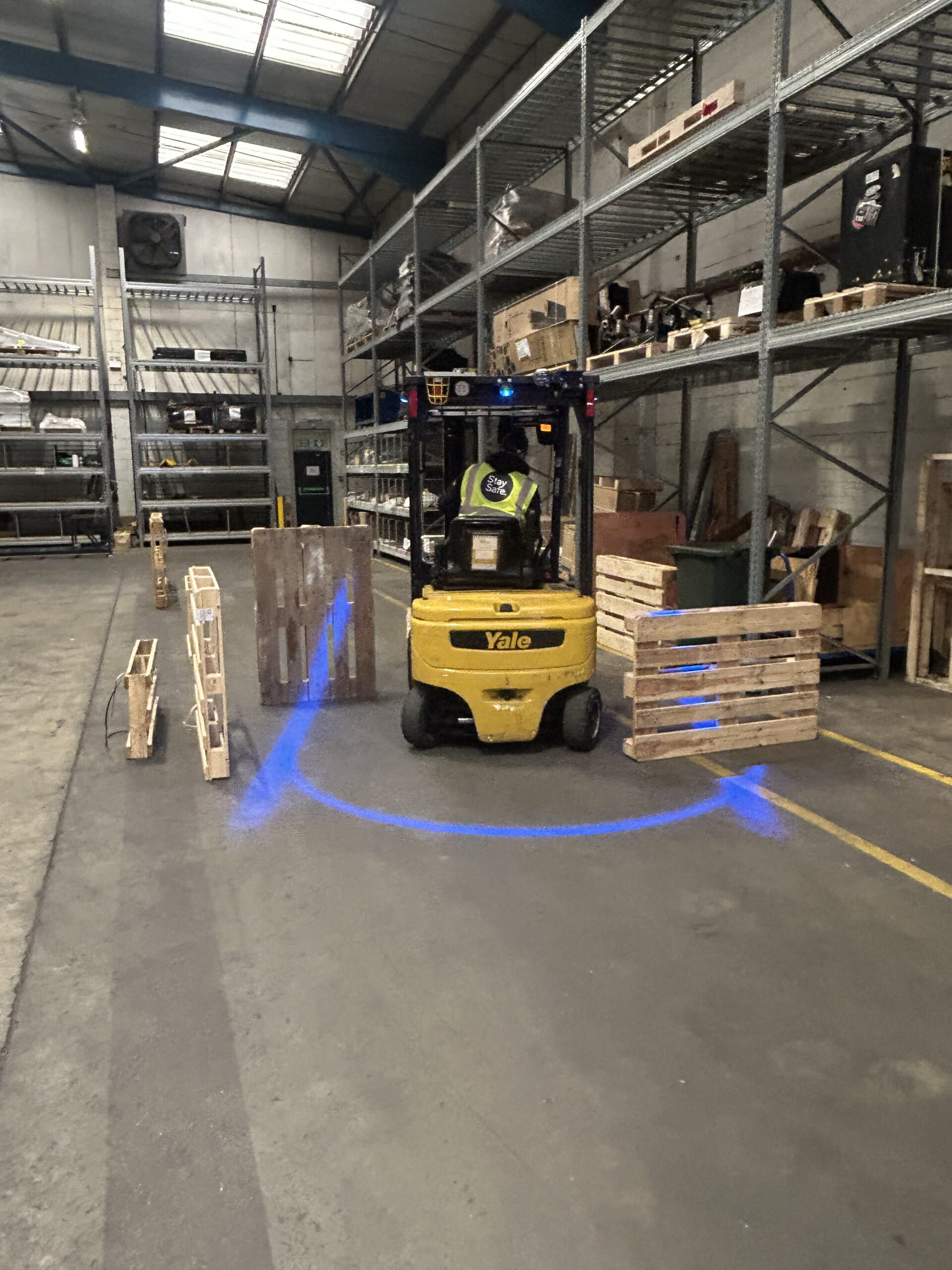
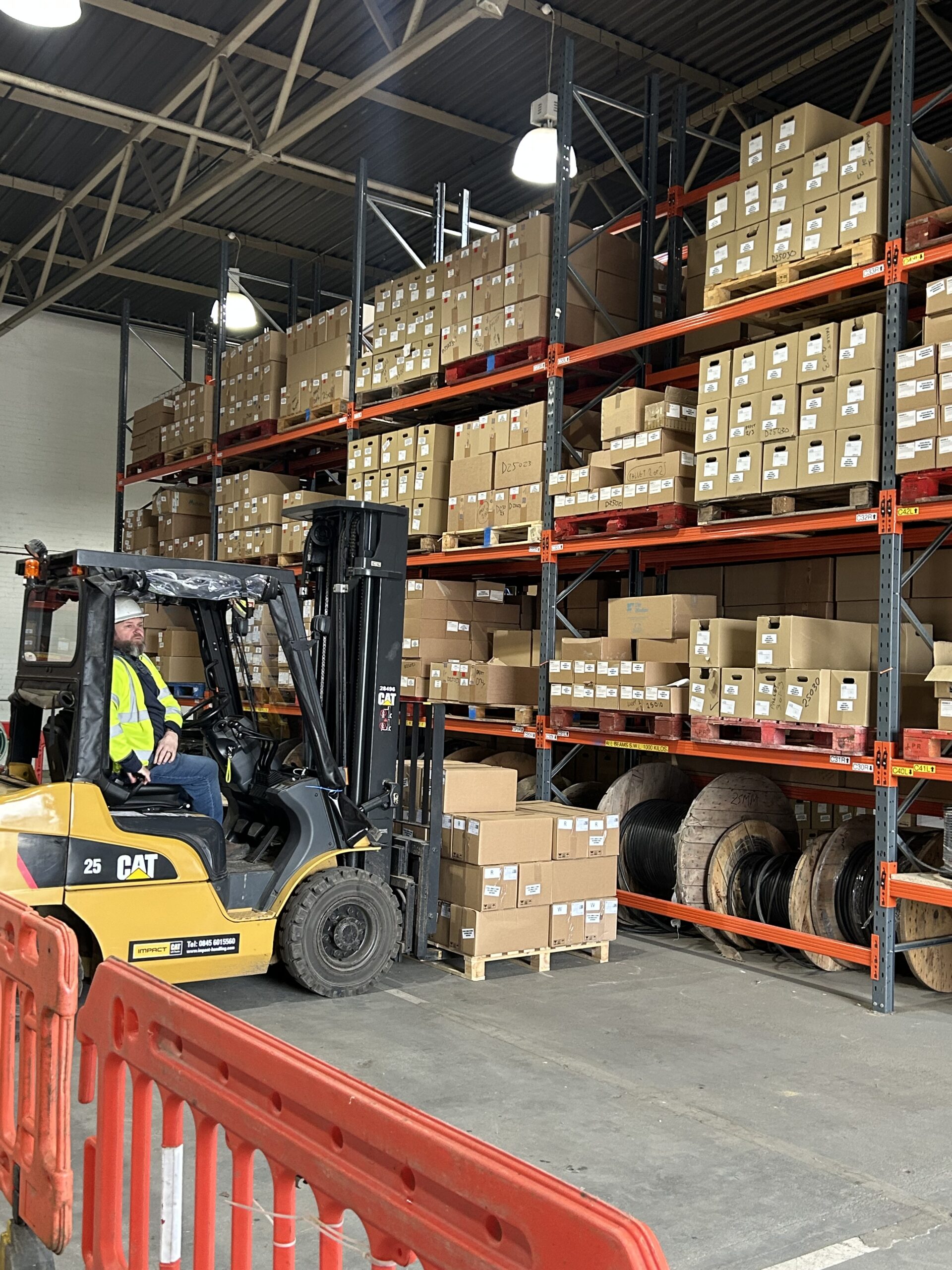
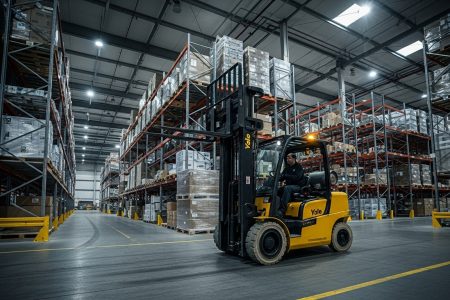
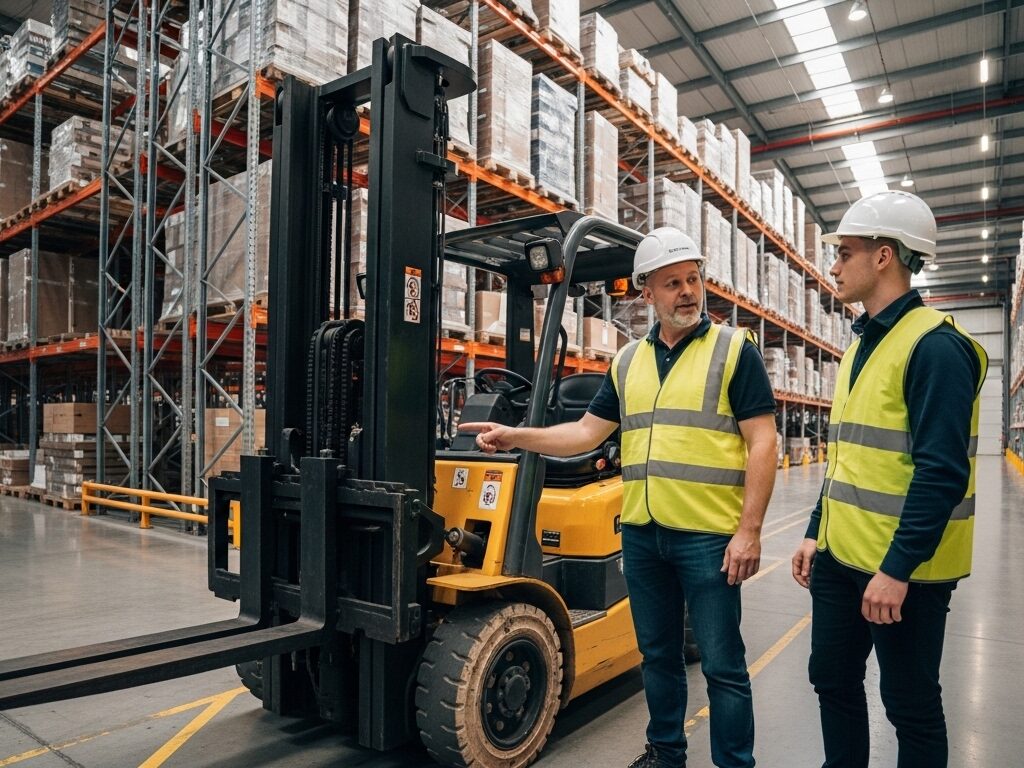
Counterbalance

Most common forklift type — front forks balanced by counterweight at rear
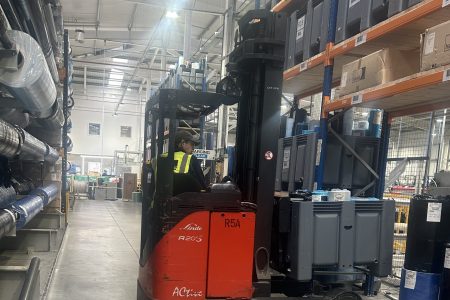
IMG_5451

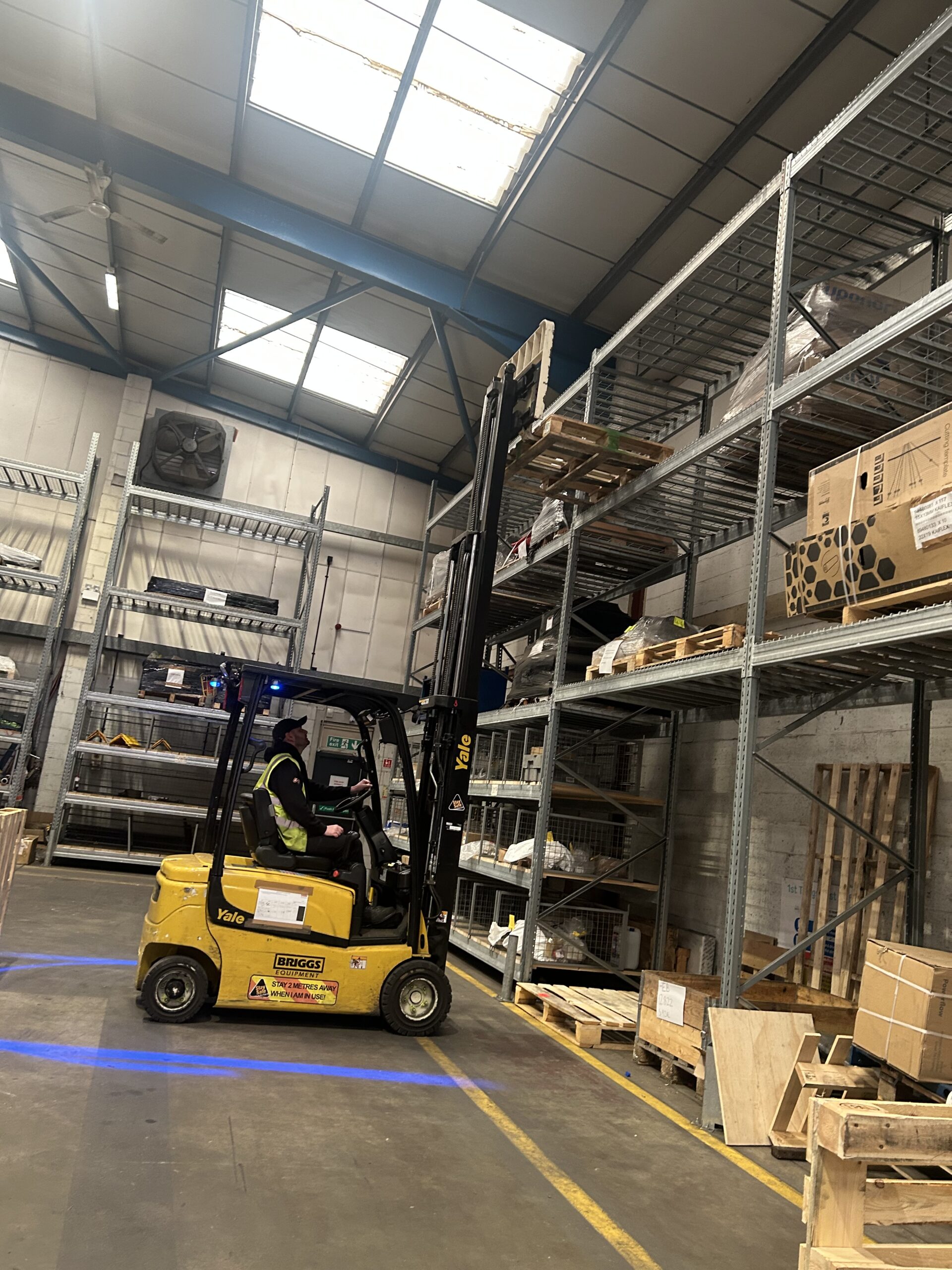
Reach Truck

Forks extend into racking — ideal for narrow aisle warehouses
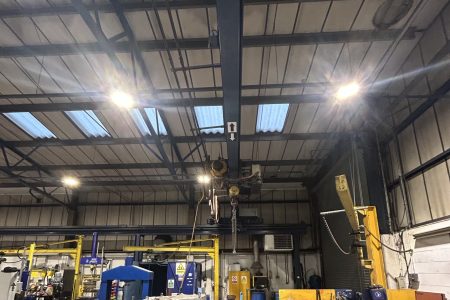
IMG_E5664 (1)

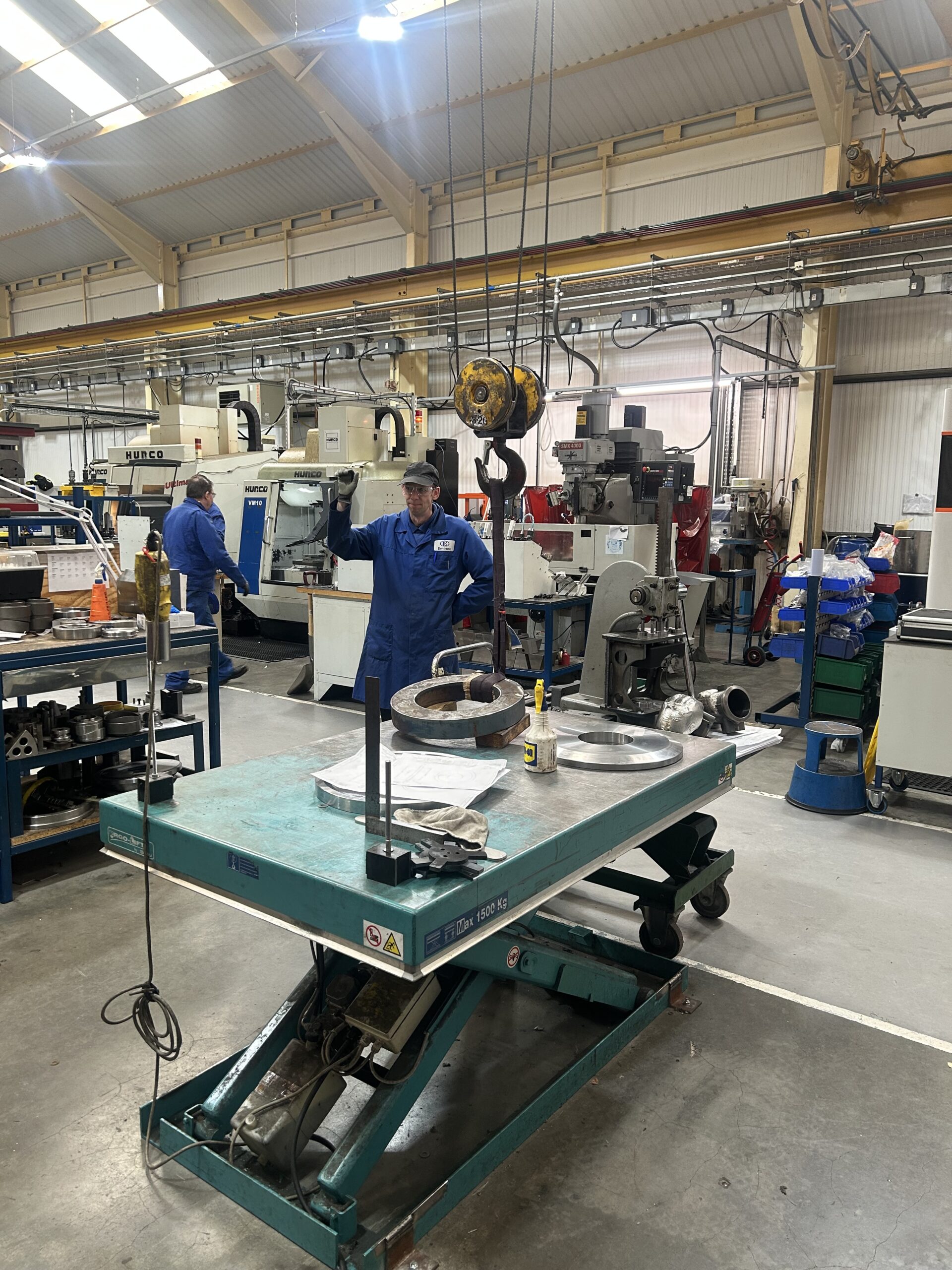
EOTC Crane & Slinging

Overhead crane operation and load slinging — safe lifting techniques.
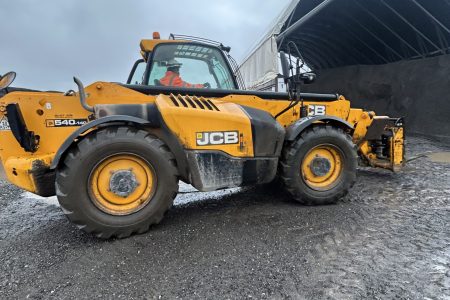
IMG_6140 (1)

Telehandler

Telescopic handler for rough terrain and extended reach
Image_fx (31)

Multidirectional Truck

Moves in multiple directions — ideal for long loads in tight spaces.
Image_fx (32)

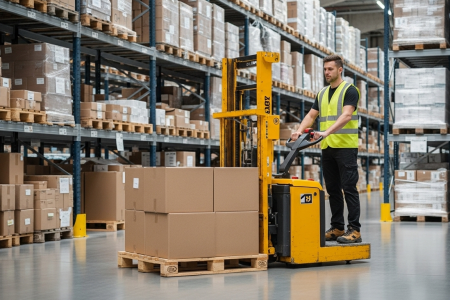
Pallet Truck

Ride-on or pedestrian LLOPs for floor-level pallet movement
Image_fx (33)

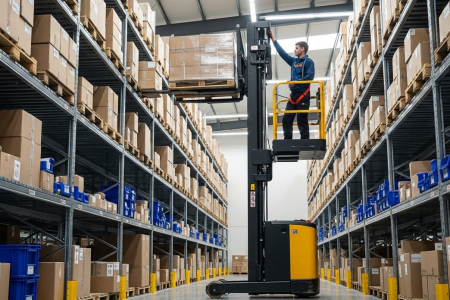
Order Picker

Man-up or low level order picking equipment
 
Image_fx (34)

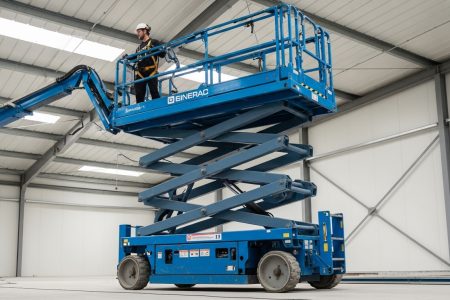
MEWP / Scissor

Mobile elevated work platforms and cherry pickers

Yorkshire's Most Trusted Trainers

Based in Yorkshire with accredited instructors covering the entire UK — we bring training to your site.

100%

Accredited

Our Process

How It Works

From first enquiry to certified operators — four simple steps.

01

Step 01

Enquire

Call or email us with your requirements — truck type, delegates, location and dates.

02

Step 02

Get a Quote

We provide a clear, itemised quote — no hidden charges, no obligation.

03

Step 03

Training Day

Our instructor arrives on-site or you attend our centre — theory and practical covered

04

Step 01

Certified

Successful candidates receive their certificate — legally compliant and ready to work.

Photo Gallery

Training in Action

Real photos from our training sessions — replace placeholders with your images.

Got Questions?

Frequently Asked Questions

Do you come to our site for training?

Yes — we offer fully on-site training on your own equipment, in your own environment. This is the most effective way to prepare operators for real workplace operation.

It depends on the course type. Novice courses take 3–5 days, experienced operator courses 1–3 days, conversion courses 1–2 days, and refresher courses just 1 day.

Yes. All our courses comply with HSE L117 guidance and are delivered by RTITB, ITSSAR or AITT accredited instructors — fully recognised across the UK.

Yes. Successful candidates receive an accredited certificate which is recognised by employers and health & safety inspectors across the UK.

We charge a daily rate per course — price depends on course type, truck type and number of delegates. Contact us for a free no-obligation quote.

Yes. While we are based in Yorkshire, our accredited instructors cover the entire country. We can arrange training at your site wherever you are.

Get In Touch

Get in Touch

Ready to book training? Contact us today for a free, no-obligation quote. We typically respond within a few hours.

Phone
Location
Yorkshire, UK — Nationwide Coverage
Response Time
Usually within a few hours
Book Training
Request Free Quote
Thank you! We'll be in touch within a few hours.
Something went wrong. Please call us directly.
Theory Questions & Answers — MHE Train & Test
MHE Train & Test
Theory Questions
& Answers
Practice questions from your actual theory test. Click a question to expand, select your answer, then see the correct response. Track your score as you go.
0/0
Score
Live Score
Counterbalance Forklift
Progress
0 / 20
01
Safety Checks
Who is responsible for checking that the forklift truck is in good working order before use?
A The management
B The maintenance department
C The operator
D The insurer
Correct Answer: C
The operator is responsible for carrying out the pre-use inspection at the start of every shift. Any defects found must be reported immediately before the truck is used.
02
Load Capacity
The truck's maximum carrying capacity will be reduced when:
A The load centre is increased
B The load centre is decreased
C The load obscures your view
D Travelling in reverse
Correct Answer: A
When the load centre is increased (load moves further from the forks' heel), the effective leverage increases, reducing the truck's safe carrying capacity accordingly.
03
Pedestrian Safety
Whose responsibility is it to ensure the safety of pedestrians while operating a lift truck?
A The lift truck operator
B Management
C The pedestrians themselves
D The Human Resources Department
Correct Answer: A
The lift truck operator is responsible for the safety of pedestrians in their working area. The operator must be aware of all people around them and operate accordingly.
04
Operations
From the list below select the last thing the operator should do before moving off?
A Put their seat belt on
B Engage drive
C Look around
D Sound the horn
Correct Answer: C
The last thing to do before moving off is to look around — checking your surroundings for pedestrians and obstructions — before engaging drive and moving the truck.
05
Stability
Lift trucks are more likely to turn over sideways when:
A Loaded and driven slowly around corners
B Loaded and driven quickly in a straight line
C Braking hard
D Unladen and turning sharply
Correct Answer: D
Unladen trucks turning sharply are at greatest risk of lateral tip-over. Without a load, the counterweight at the rear becomes more influential on the centre of gravity during sharp turns.
06
Pre-Use Check
When driving an unladen truck, how should the fork arms be set?
A As low as practicable and tilted forward
B As low as practicable and tilted back
C As low as possible and parallel to ground
D Straight
Correct Answer: B
When travelling unladen, forks should be as low as practicable (150–200mm off the ground) and tilted back. This keeps the centre of gravity low and stable and prevents the forks from digging into the floor.
07
Law & Regulations
Health & Safety legislation places responsibility for safety at work on:
A The employers
B The employees
C Everyone on the premises
D The Health and Safety Manager
Correct Answer: C
Under the Health & Safety at Work Act 1974, responsibility for safety rests with everyone on the premises — employers, employees, and anyone else. Section 2 places a duty on employers; Section 7 places a duty on employees.
08
Blind Corners
When sounding the lift truck's horn at a blind corner you should:
A Make several short, sharp blasts
B Give one long blast to attract attention
C Give one short toot to save battery
D Make eye contact, then sound the horn
Correct Answer: A
At blind corners, give several short, sharp blasts. This clearly signals your approach and alerts pedestrians or other vehicles. A single long blast can be confused with other signals.
09
Load Capacity
The lift truck's "rated capacity" applies when the mast is in the:
A Vertical position
B Tilted back position
C Tilted forward position
D Parked position
Correct Answer: A
The rated capacity is based on the mast in the vertical position at the standard load centre (500mm). Tilting the mast forward reduces the effective capacity; tilting back may vary by manufacturer's data plate.
10
Load Terms
What is meant by the term "load gross weight?"
A The weight of the truck and the load
B The combined weight of load, packaging and pallet
C The weight of the load only
D The weight of the truck when parked
Correct Answer: B
Load gross weight means the total combined weight of the load itself, any packaging, and the pallet or skid. This is the figure to compare against the truck's rated capacity.
11
Parking Position
When parking a lift truck, how should the fork arms be positioned?
A The tips not more than 100–150mm high with the heels touching the floor
B The heels not more than 100–150mm high with the fork arms level
C The heels as low as possible with the tips touching the floor
D On the ground, flat
Correct Answer: C
When parking, the heels should be as low as possible with the tips touching the floor and mast tilted forward slightly. This minimises the trip hazard and is the correct safe parking position for fork arms.
12
Parallel Obstruction
How must a truck be driven across a parallel obstruction e.g. railway lines, drainage gullies, etc?
A As quickly as possible
B With fork arms trailing
C Slowly and diagonally
D Reversing as quickly as possible
Correct Answer: C
Crossing parallel obstructions such as railway lines or drainage gullies must be done slowly and diagonally. This prevents both wheels crossing at the same time, reducing the risk of the truck becoming unstable or the load shifting.
13
Approaching a Stack
What is the recommended way to approach a stack to place or retrieve a load?
A Drive slowly forward: raise the fork arms to the required height; stop; apply the parking brake
B Stop not more than 150mm from the stack; apply the parking brake; select neutral, adjust tilt and raise the fork arms
C Stop at least a metre from the stack; raise the fork arms to the required height; drive slowly forward
D There is no recommended way. It is down to personal judgment
Correct Answer: B
The correct approach is to stop no more than 150mm from the stack, apply the parking brake, select neutral, then adjust tilt and raise the forks. Raising forks while moving is unsafe and raises the centre of gravity unnecessarily.
14
Safe Following Distance
What is the minimum separation distance you leave when following another lift truck down an aisle?
A One truck length
B Four truck lengths
C Three truck lengths
D Two truck lengths
Correct Answer: C
A minimum separation distance of three truck lengths must be maintained when following another lift truck. This gives sufficient stopping distance and visibility to react safely if the truck ahead stops or drops a load.
15
Obstruction in Gangway
While operating a lift truck, what would you do if you saw some rubbish/dunnage lying in a gangway or warehouse location?
A Inform the supervisor
B Park the truck in a safe place and remove the obstruction
C Inform the other truck operators and get it moved at break time
D Drive through it slowly, unless it contains glass
Correct Answer: B
The correct action is to park the truck safely and remove the obstruction yourself. Leaving rubbish or dunnage in a gangway is a hazard to pedestrians and other operators. Immediate action is required — not delegation or delay.
16
Gradient Travel
When an unladen truck is being driven on a gradient the fork arms/attachment should face downhill. This is to improve:
A Stability, traction and adhesion
B Visibility and steering
C Speed and reduce tyre wear
D The load centre and stability corner
Correct Answer: A
When unladen on a gradient, forks facing downhill keeps the heavier drive axle uphill, improving stability, traction and adhesion. This is the correct and safe procedure to prevent the truck becoming unstable on the slope.
17
Mast Tilt
How much back tilt is required when transporting a palletised load?
A Sufficient back tilt to cater for the type of load and ground conditions
B Full tilt to keep the load against the vertical face of the fork arms
C Back tilt just off the vertical to prevent the load from slipping forward
D None, unless the pallets are plastic
Correct Answer: A
The correct amount of back tilt depends on the type of load and ground conditions — not a fixed amount. Full back tilt is unnecessary and can raise the load centre of gravity. The tilt should be sufficient to stabilise the load without being excessive.
18
Obscured Vision
In normal circumstances, if the load on the fork arms obscures your view, you should:
A Dismount, check that the way is clear, then drive forward slowly sounding the horn
B Travel in reverse, looking in the direction of travel
C Ask your supervisor to guide you with hand signals
D Reduce its height
Correct Answer: B
When a load obscures forward vision, the operator should travel in reverse, looking in the direction of travel. This restores the operator's sightline and is the standard safe practice. A banksman/signaller may also be used if reversing is not practical.
19
Stability at Height
When tilting a load forward at height, why is there an increased risk of the truck tipping?
A The lateral forces placed over the rear axle will increase
B The longitudinal stability will be reduced
C The combined centre of gravity is reduced
D The load is much heavier as it is tilted forward
Correct Answer: B
Tilting a load forward at height moves the combined centre of gravity forward and upward, reducing longitudinal stability and greatly increasing the risk of the truck tipping forward. Mast tilt at height should be minimised and done with extreme care.
20
Slopes — Load Position
When travelling on slopes where should the load be carried on the fork arms?
A With the load facing uphill and tilted forward
B With the load facing downhill and tilted forward
C With the load facing uphill and tilted back
D It does not have any effect either way
Correct Answer: C
When travelling on slopes with a load, the load must face uphill and be tilted back. This keeps the load secure against the forks, maintains stability on the gradient, and prevents the load sliding forward off the forks on a downward slope.
Your Final Score
0 / 20
Complete all questions to see your result.
Telescopic Handler
Progress
0 / 20
01
Attachments
Most special attachments when fitted to the machine will:
A Increase the machine load weight handling capacity
B Decrease the machine load weight handling capacity
C Make no difference to load weight handling capacity
D Extend the centre of gravity
Correct Answer: B
Most special attachments increase the effective load centre distance, reducing the machine's rated capacity. Always refer to the attachment's load chart and the machine's data plate when fitting attachments.
02
Road Travel
On selectable 4-wheel drive transmission the correct mode for travel on a public highway is:
A Four-wheel low range mode
B Two-wheel high range mode
C Two-wheel low range
D Four-wheel drive with differential lock engaged
Correct Answer: B
For public highway travel, two-wheel high range mode is correct. Four-wheel drive modes and differential locks are designed for off-road or site conditions — using them on the road can damage drivetrain components and is not appropriate for normal highway use.
03
Safe Load Indicator
The main purpose of the safe load indicator (SLI) when fitted to a telescopic handler is:
A To show the operator weight and load centre of loads
B To show lift height and length of boom extension
C To indicate stability condition and alert when approaching instability
D To alert the operator that the machine is now inoperable
Correct Answer: C
The SLI indicates the machine's stability condition and alerts the operator when they are approaching a condition of instability. It does not display exact weight — it is a stability warning device to prevent tip-over.
04
Audible Warning
If the audible warning device should sound continually during operation, the operator should:
A Proceed no further and take correct action to increase stability
B Cancel the alarm and use knowledge of the machine
C Proceed very slowly with extreme caution
D Extend the boom or lift height to stop the device
Correct Answer: A
A continuous audible warning means the machine is approaching or has reached an unstable condition. STOP all movement immediately, then take corrective action — retract the boom, lower the load, or reduce the load weight to restore stability.
05
Boom Extension
When extending the boom and forks/attachment on a telescopic handler:
A Stability decreases so the load weight must be reduced
B Stability will be increased, load weight may be increased
C Stability will be unaffected
D Stability increases so more weight can be lifted
Correct Answer: A
Extending the boom moves the load centre further from the machine, dramatically reducing stability. The rated capacity at extended reach is much lower than at fully retracted position — always consult the load chart.
06
Ramps & Inclines
When travelling on ramps/inclines with a laden machine the correct procedure is:
A Reverse up the slope with full back tilt applied
B Travel in either direction ensuring load is secured
C Engage all-wheel drive to increase traction
D Travel with the load facing uphill, under guidance if vision is restricted
Correct Answer: D
On inclines with a load, always travel with the load facing uphill. This keeps the load on the uphill side preventing it slipping off the forks and maintaining the machine's stability. If vision is restricted going up, use a guide.
07
High-Level Stacking
The correct procedure for stacking a load at high level is:
A Extend boom first, raise load, drive slowly over the stack
B Approach as close as practicable, raise boom then extend over the stack
C Approach with load fully raised and extended, adjust whilst approaching
D Raise the load, drive forward adjusting height as you proceed
Correct Answer: B
Approach as close as safely possible, then raise the boom to the required height, and only then extend over the stack. This minimises the time the machine is in a potentially unstable extended/raised configuration.
08
Travel Position
When travelling with a laden machine on level ground the correct position of the boom & load is:
A Load raised well clear of ground, boom fully retracted, full back tilt
B Load just clear of ground, boom fully retracted, load level
C Adjusted according to terrain and speed of operation
D Load close to ground, boom fully retracted & sufficient back tilt to stabilise
Correct Answer: D
When travelling with a load, keep the load as close to the ground as possible with the boom fully retracted and sufficient back tilt applied. This keeps the centre of gravity as low and as far back as possible, maximising stability.
09
Fork Adjustment
The forks/attachment should be adjusted to take a load as follows:
A As close together as possible
B Touching each other to maximise capacity
C Adjusted centrally to take weight equally on each fork/attachment
D As far apart as possible
Correct Answer: C
Forks should be adjusted centrally so that the load weight is distributed equally on each fork/attachment. This ensures load stability and prevents uneven stress on the fork arms and carriage.
10
Obscured Vision
In normal circumstances if a load obscures the operator's vision, he/she should:
A Travel slowly but lean out of the cab to check clearances
B Travel in reverse looking in the direction of travel
C Travel extremely slowly forwards sounding horn continually
D Raise the load higher to obtain better visibility
Correct Answer: B
If the load obscures forward vision, travel in reverse so you are looking in the direction of travel. If this is not possible due to the operation, use a banksman/guide to direct you safely.
11
Low Obstructions
Before travelling under low obstructions (i.e. lighting, pipe work) the operator must ensure:
A That the truck and load have enough head room to clear the obstruction
B That the obstruction is clearly marked with hazard warning tape
C All pedestrians are clear of the area
D That the load will not foul as you pass under the obstruction
Correct Answer: A
Before travelling under any overhead obstruction, always verify that there is sufficient headroom for both the machine AND the load. Account for the full height including any elevated portion of the attachment or load.
12
Incline Travel Height
Why should the forks/attachment or load NOT be elevated above the manufacturer's travel height whilst working on inclines?
A Stability factor is dramatically reduced, could cause tip-over
B There may be a risk of the load becoming damaged
C It may cause damage to the forks/attachment or load
D Someone could walk into the forks and be seriously injured
Correct Answer: A
Raising the load on an incline dramatically raises the centre of gravity and increases the risk of the machine tipping over sideways. Always keep the load at travel height or lower when on any incline.
13
Parked Position
What is the correct position of the forks/attachment when the truck is parked?
A Heel touching ground, tips not more than 4–6 inches off ground
B Heel not more than 5–6 inches high, tips on the ground
C Just off the ground and as level as they can be set
D Heel as low as possible, tips touching ground and boom fully retracted
Correct Answer: D
When parked, the heel of the forks should be as low as possible with the tips touching the ground and the boom fully retracted. This presents no trip hazard and the machine is in the most stable resting position.
14
Fault Reporting
If a fault occurs whilst you are driving a lift truck, what action should you take?
A Park the truck as safely as possible and report the fault immediately
B Try to make a temporary repair yourself
C Carry on until a convenient break and then report it
D If all appears ok, carry on as normal until it becomes a problem
Correct Answer: A
If a fault occurs, park the machine as safely as possible immediately and report the fault to your supervisor straight away. Never attempt repairs yourself and never continue to use a machine with a known fault.
15
Pre-Use Inspection
Why must the pre-use inspection be carried out before commencing a shift?
A To note any damage to the vehicle during previous shift
B To ensure the vehicle is in safe operating condition
C To ensure managers are complying with the law
D To make sure you have enough fuel for the shift
Correct Answer: B
The primary purpose of the pre-use inspection is to ensure the vehicle is in a safe operating condition before it is used. This protects the operator, other workers, and the public from risks caused by defective equipment.
16
Loading a Lorry
Before loading a rigid flatbed lorry from ground level, the truck operator should check:
A That the lorry driver has checked all loads are on standard pallets
B That the tyre pressures of the lorry will stand the combined weight
C That lorry engine is stopped, parking brake applied and wheels chocked
D That the load is correctly packaged and labelled
Correct Answer: C
Before loading any lorry, the lorry's engine must be stopped, the parking brake applied, and the wheels chocked. This prevents the lorry moving during the loading operation, which could cause a serious accident.
17
Turning with Load High
Why is it wrong to turn a lift truck with the load held high in the air?
A The operator will be watching the load and not where they are driving
B Load restricts visibility and could hit overhead obstructions
C There is a serious danger of the truck overturning on its side
D There is greater risk of the load falling off the forks
Correct Answer: C
Turning with a load held high raises the centre of gravity and creates serious risk of the truck overturning sideways. Always lower the load to travel position before turning. This is one of the most common causes of forklift accidents.
18
Load Centre Effect
Whenever the load centre is increased:
A The load carrying capacity will be reduced
B The truck will need to be driven more carefully
C The load carrying capacity will be unaffected
D The truck will automatically become unstable
Correct Answer: A
Increasing the load centre (moving the load's centre of gravity further from the heel of the forks) reduces the machine's safe load carrying capacity. Always check the load chart for the actual capacity at the specific load centre distance.
19
Rated Capacity
Suppose a lift truck is rated 2500kg at a 500mm load centre. Does this mean:
A The truck will safely lift any weight up to 2500kg
B The truck will safely lift up to 2500kg provided boom is fully retracted and CoG is not more than 500mm from the heel of the forks
C The truck will only safely lift up to 2500kg if the load measures not more than 1000mm in length
D The truck weighs 2500kg and can lift 2500kg if the load is 500mm long
Correct Answer: B
A rating of 2500kg at 500mm load centre means the machine can safely lift up to 2500kg provided the boom is fully retracted AND the centre of gravity of the load is no more than 500mm from the heel of the forks. Extending the boom or increasing the load centre will reduce this figure.
20
Parking Brake Use
Why is it recommended that the parking brake of a lift truck be applied prior and whilst using the hydraulic controls?
A To prevent the truck from moving should it be on a gradient
B To ensure and maintain the truck's stability during hydraulic operations
C To prevent harsh use of the drive and brake pedals
D To prevent the driver carrying out dangerous operations
Correct Answer: B
The parking brake should always be applied when using hydraulic controls to ensure and maintain the truck's stability during hydraulic operations. When hydraulic functions are in use, the load and mast movement can cause the truck's center of gravity to shift, making it essential that the truck remains stationary and secure before raising, lowering or extending any load.
Your Final Score
0 / 20
Complete all questions to see your result.
EOTC Overhead Crane
Progress
0 / 20
01
Pre-Use Checks
How often should operators check the crane?
A Once a week
B Only when instructed by the supervisor/foreman
C At the start of each shift, or when taking over a crane not previously used that day
Correct Answer: C
Operators must check the crane at the start of each shift, or whenever they take over a crane that has not already been inspected that day. This ensures any defects or faults are identified before the crane is used.
02
Fault Reporting
If a crane fault develops during operation, what should the operator do?
A Park the crane and report the fault immediately to the supervisor/foreman
B Report the fault to the supervisor/foreman at the end of the shift
C Wait until the end of the shift before reporting the fault
Correct Answer: A
Park the crane safely and report the fault immediately. Never continue operating a crane with a known fault — faults must be assessed and repaired by a competent person before work can resume.
03
Lifting Accessories
What does the term 'lifting accessory' apply to?
A The crane hook
B Any item used to attach the load to the crane
C Just slings
Correct Answer: B
A lifting accessory is any item used to connect a load to the crane. This includes: slings (chain, wire rope, fibre), shackles, eyebolts, spreader beams, and lifting beams. All must be marked with their SWL and be in good condition.
04
SWL
What does the crane maximum SWL apply to?
A Load weights which apply only when using special attachments
B The maximum load weight the crane is rated to handle
C The permitted load weight and lift height during normal operations
Correct Answer: B
The crane's maximum SWL (Safe Working Load) is the maximum load weight the crane is rated to handle safely. This must never be exceeded. Special attachments may reduce the effective SWL — always check the attachment's own rating.
05
Law & Training
Under the 1974 Health and Safety at Work Act – Section Two, who does the duty for ensuring adequate training has been given rest with?
A Recognised accredited bodies
B Training organisations
C Employers
Correct Answer: C
Under Section 2 of the Health and Safety at Work Act 1974, the duty to ensure employees receive adequate training rests with the employer. Employers must provide information, instruction, training and supervision to ensure health and safety.
06
Special Attachments
When fitted to the crane, what effect will most special attachments have?
A Increase the load/weight handling capacity
B Decrease the load/weight handling capacity
C Make no difference to the load/weight handling capacity
Correct Answer: B
Most special attachments decrease the crane's effective load handling capacity because they add weight and/or change the effective load centre. Always check the attachment's specific SWL rating and subtract its weight from the crane's available capacity.
07
HSWA Section 7
The 1974 Health and Safety at Work Act – Section Seven, places a duty upon everybody for health and safety at work of:
A Themselves
B Themselves and others who may be affected by their acts or omissions
C Others who may be affected by their acts or omissions
Correct Answer: B
Section 7 of HSWA 1974 places a duty on every employee (and person at work) to take reasonable care for the health and safety of themselves AND of other persons who may be affected by their acts or omissions at work.
08
Shock Loads
Sudden movements of the crane can cause large shock loads which can be above the SWL of the lifting equipment:
A False
B True
Correct Answer: B — True
TRUE. Sudden crane movements generate dynamic (shock) loads that can be significantly higher than the static load weight. These shock loads can exceed the SWL of the lifting equipment and cause catastrophic failure. Always operate smoothly and avoid sudden movements.
09
Sling Rating
Which load rating method is used on all new multi purpose slings?
A Uniform
B Trigonometric
C Imperial
Correct Answer: A
All new multi-purpose slings use the Uniform load rating method (also known as the mode factor system). This provides a single SWL marking on the sling that covers its capacity in various configurations (straight pull, choker, basket etc.).
10
Lifting Over People
You should avoid lifting over people:
A Always
B In most cases
C When space isn't restricted
Correct Answer: A
You should ALWAYS avoid lifting loads over people. If a load falls from height, it presents an immediately life-threatening risk to anyone below. Clear all personnel from the lift zone before any lifting operation begins.
11
Slinger Out of Sight
Should a crane operator keep working the controls if the slinger is out of sight?
A Always
B Only with a supervisor's permission
C Never
Correct Answer: C
NEVER operate the crane controls if the slinger/banksman is out of sight. If you lose visual contact, stop the crane immediately. Either the slinger must regain line-of-sight or a secondary communication/signalling system must be in place before proceeding.
12
Multi-Leg Sling SWL
If you are using a 3 leg chain sling rated at 6 tonnes SWL but are only using 2 legs on the lift, what will be the SWL to apply?
A 2 tonnes
B 4 tonnes
C 6 tonnes
Correct Answer: B
If a 3-leg sling rated at 6 tonnes is used with only 2 legs, the SWL to apply is 4 tonnes. The SWL is proportional to the number of legs actually in use. Never assume a 3-leg SWL applies when using fewer legs.
13
Stowed Away
What is meant by the term 'stowed away'?
A Slings on hooks, slings above head height, power off
B No tackle on hooks, hook above head height, pendant to one side or cab at park position
C No tackle on hooks, hook on floor, pendant to one side or cab at park position
Correct Answer: B
'Stowed away' means: no tackle on the hooks, the hook raised above head height (out of pedestrian's reach), and the pendant stored to one side or the cab returned to the park position. This is the safe parked configuration for an overhead crane.
14
Sling Angles
Increasing the angle between the legs of a multi-leg sling increases the amount of load/tension on the sling legs:
A True
B False
Correct Answer: A — True
TRUE. As the angle between sling legs increases, the tension in each leg increases dramatically. Beyond 60° from vertical the SWL must be de-rated. Beyond 90° the forces can exceed the weight of the load itself — this is why sling angles must always be calculated.
15
Sling Angle Range
What is the normal angle from vertical range of multi-leg chain slings?
A 0 – 45 degrees
B 0 – 60 degrees
C 0 – 90 degrees
Correct Answer: A
The normal safe working angle from vertical for multi-leg chain slings is 0–45 degrees. Beyond 60° the load on the sling legs increases sharply and the SWL must be significantly reduced. The SWL marked on slings is typically rated at 0–45° from vertical.
16
Unmarked Slings
Unmarked slings may sometimes be used to lift loads:
A True
B False
Correct Answer: B — False
FALSE. Unmarked slings must NEVER be used for lifting. All lifting accessories must be clearly marked with their SWL (Safe Working Load). If the SWL is unknown, the sling cannot be used safely — it must be removed from service.
17
Swinging Loads
If a load starts to swing, how should you correct it?
A Wait until the load is at the extent of its swing then move crane quickly towards it
B Wait until the load is at the extent of its swing then move crane quickly away from it
C Wait until it stops swinging
Correct Answer: A
The correct action when a load starts to swing is to wait until it stops swinging naturally. Do NOT try to counteract the swing by moving the crane — this can increase the swing amplitude and generate additional shock loads. Let the load settle, then continue carefully.
18
Travelling Speed
When travelling with a load, the crane operator:
A Should vary his speed according to working conditions
B Should keep a constant speed
C Should go as slow as possible
Correct Answer: A
The crane operator should vary speed according to working conditions. Speed must be reduced near obstructions, other workers, or when manoeuvring in confined spaces. A constant or unnecessarily slow speed is not always appropriate — the key is safe and controlled movement at all times.
19
LOLER Examinations
According to LOLER regulations, how often should a lifting accessory be thoroughly examined?
A At least every 3 months
B At least every 6 months
C At least every 12 months
Correct Answer: B
Under LOLER (Lifting Operations and Lifting Equipment Regulations 1998), lifting accessories (slings, shackles, etc.) must be thoroughly examined by a competent person at least every 6 months. Records of all examinations must be kept.
20
Safe Approach Distance
Overhead cranes should not approach within:
A 20 feet of people working at height
B 30 feet of people working at height
C 10 feet of people working at height
Correct Answer: A
Overhead cranes should not approach within 10 feet (approximately 3 metres) of people working at height. This exclusion zone protects workers from the risk of being struck by the crane structure or suspended loads. Always maintain the exclusion zone.
Your Final Score
0 / 20
Complete all questions to see your result.
Ready for the Real Thing?
Book Your AITT Training Today
On-site training delivered to your team — anywhere in the UK. AITT accredited, free no-obligation quote.
Shopping Basket